Lost in Ocean

Lost in Ocean is a groundbreaking mission by us to revolutionize ocean exploration. By deploying a smart network of underwater stations, powered by solar energy and advanced technology, it supports AUVs with wireless charging and data transfer—making deep-sea mapping faster, safer, and more sustainable for our planet’s future.

Dive In
Problem

Ocean Mapping Problem

Mapping the ocean floor is a costly and complex challenge, with nearly half of U.S. waters still unmapped. Traditional methods using sonar and ROVs are expensive, require specialized crews, and are prone to failure in harsh underwater conditions. A notable example is NOAA’s 2017 Deep Discoverer mission, which suffered a cable failure and cost over $146,000 to recover. These high costs and risks limit deep-sea exploration, slowing efforts to understand marine ecosystems, manage resources, and address environmental threats. Without more efficient and affordable solutions, vast ocean regions remain unexplored, hindering scientific progress and our ability to protect underwater environments.

Problem

Project Solution

Our Project introduces a network of underwater support stations to revolutionize seafloor mapping. These stations act as rest points for AUVs, offering wireless power recharging, data transfer via acoustic communication, and docking support. Built from durable HY-80 steel and powered by solar energy, the stations are strategically placed 35 km apart at various depths to ensure AUVs always remain supported. A dynamic winch system allows solar panels to surface for energy collection. This scalable, sustainable solution reduces dependence on costly ships, enhances exploration efficiency, and enables long-term, autonomous deep-sea missions in a more affordable, eco-friendly way.

Problem

Our Project Impact

Our project has the potential to transform ocean exploration. By making seafloor mapping more accessible, efficient, and affordable, it supports critical research in marine biodiversity, climate change, and underwater resource management. The autonomous station network reduces the need for expensive ship-based missions, lowers operational risks, and promotes sustainable practices through solar energy. It empowers scientists, conservationists, and policymakers with better data to protect marine ecosystems. Globally scalable and environmentally friendly, this innovation brings us closer to fully understanding and preserving the oceans—bridging the gap between advanced technology and the urgent need for ocean conservation.

Problem

Seafloor mapping is vital for understanding marine ecosystems, yet nearly half of U.S. waters remain unmapped due to high costs, technical limitations, and harsh underwater conditions. Traditional methods using ROVs and sonar systems are expensive, require specialized crews, and are vulnerable to failure, slowing global efforts in ocean exploration and conservation.

Our Solution

replay

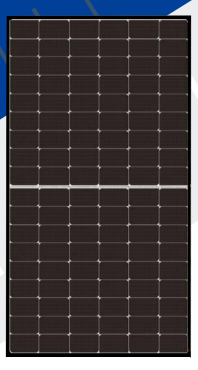
Solar Panels

Energy Source

In our project, the solar panel system powers the underwater stations by generating clean energy, enabling AUV recharging, data transfer, and continuous station operation without fuel.

replay

Flexiable Umbilacal Cable

Raise the Solar Panels

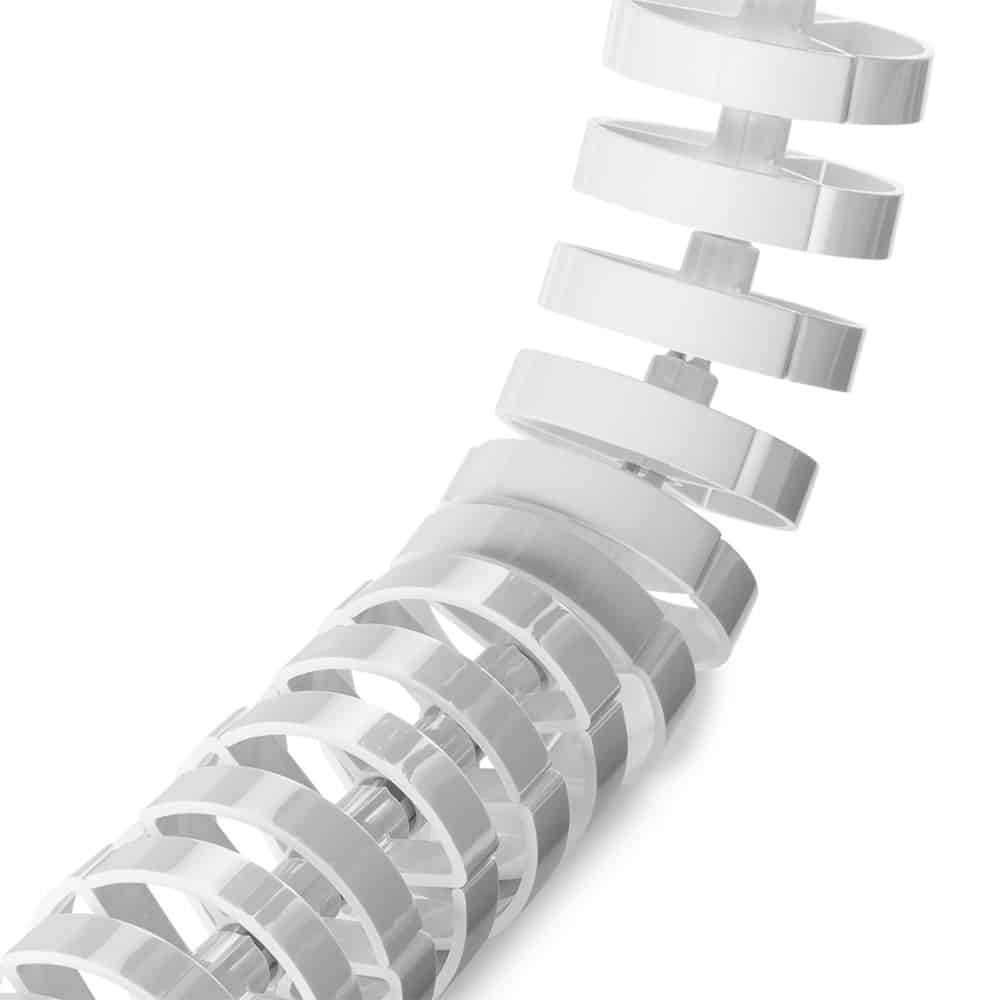
Flexible umbilical cables were used to raise and lower solar panels, transfer data, and provide power by allowing flexibility and durability in harsh underwater environments, so the mission could last longer.

replay

Winch System

Raise the Upper Part

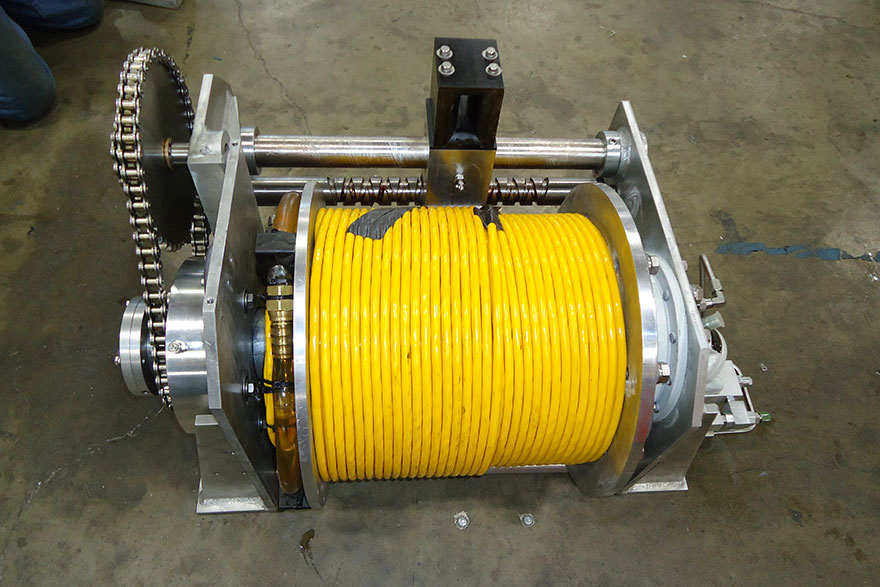
Our Station consits of two parts, the upper one with the solar panels, and the base with everthing else, the upper part will be raised through this whinch, and will be connected to the flexiable umbilical cable.

replay

Acoustic Communication

The Way we transfer data

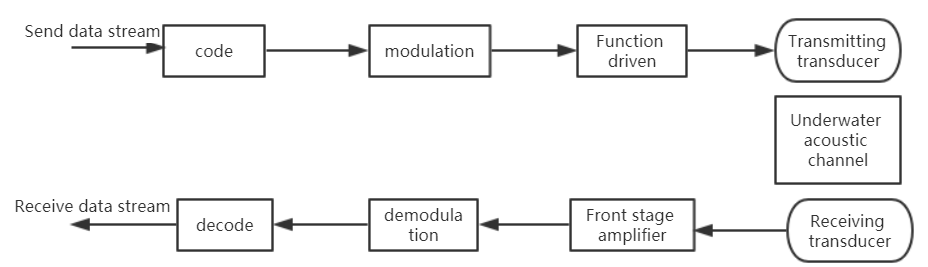
Acoustic communication is a method were the data is transfered from it's data form to sound waves, then it's sent to the receiver and transfered back to it's original form, this methon is effecient and doesn't need any cables which helps our project goal.

replay

UWPT

Charging Method

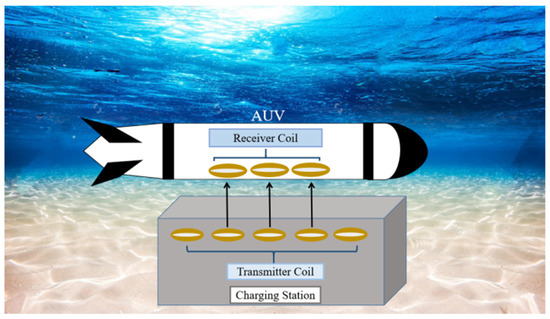
Under Water Wireless Power Transmission or UWPT the technology were we charge the AUV so it's mission can last longer.

replay

Station Base

AUVs Restpoint

The whole project idea is about this, about the 40 km apart stations were we charge the AUVs through UWPT, receive data through acoustic communication and act like the AUVs home.

Project Impact

Globe

Duration

Enables continuous deep-sea exploration by supporting long AUV missions without needing to surface.

Globe

Price

Reduces operational costs by replacing fuel-based systems with solar-powered stations.

Globe

Energy

Promotes sustainability through the use of clean, renewable energy.

Globe

Communication

Improves data collection via wireless charging and underwater acoustic communication.

Globe

Automated Tasks

Minimizes reliance on costly research vessels and human crews.

Globe

Ocean Mapping

Expands global seafloor mapping, helping close major knowledge gaps.

Globe

Studying Sea Creatures

Supports marine conservation by providing more accurate environmental data.

Globe

Enviromentlly-Friendly

Boosts scientific research in climate change, resource management, and biodiversity protection.

Refrences

Solar Panel Data Sheet UWPT Whinch Lost in Ocean Research Battery and Cost Flexiable Umbilacal Cable